Exciting Arcade Games with Action-Packed Levels
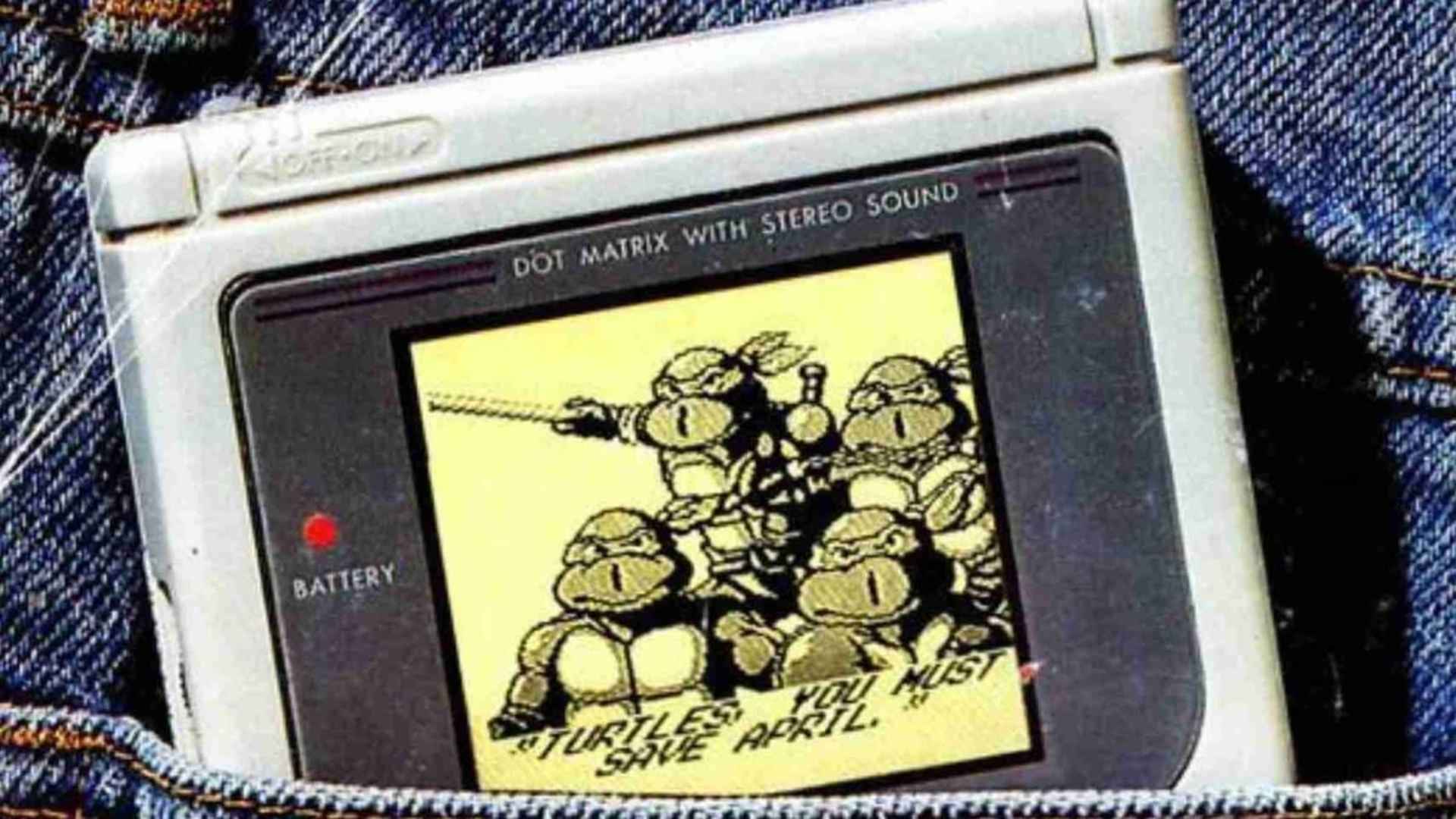
The digital era has transformed traditional coin-op experiences into sophisticated browser-based challenges that offer more than just entertainment. Recent studies suggest that engaging with fast-paced online arcade games can significantly sharpen physical and mental synchronization. By requiring players to process visual information and execute precise physical movements, these games act as a modern training ground for the brain.
The Science of Hand-Eye Synchronization
Action-oriented arcade titles demand a high level of concentration and rapid motor responses to succeed in complex levels. When players track moving objects on a screen, their brains must calculate trajectories and trigger finger movements within milliseconds. This repeated practice strengthens the neural pathways responsible for coordinating what we see with how we react.
Research involving fMRI brain imaging shows that frequent gamers often exhibit increased activity in regions associated with attention and motor control. These individuals tend to be faster and more accurate when performing tasks that require cognitive flexibility. Over time, these skills can translate into better performance in real-world activities like driving or playing sports.
Improving Reflexes through Adaptive Difficulty
Modern online platforms utilize adaptive difficulty mechanics to ensure that the level of challenge grows alongside the player's proficiency. This constant push toward higher speeds forces the nervous system to adapt and refine its response times. As a result, gamers often find themselves managing multiple on-screen threats with intuitive ease and improved grace.
For those looking to explore these benefits in a secure digital environment, using a reliable M88 link login provides access to a wide variety of skill-based challenges. These platforms offer everything from classic rhythm games to intense bullet-hell shooters that test the limits of human reaction. Finding a trusted portal is essential for maintaining a smooth and uninterrupted training session.
The Cognitive Benefits of Precise Gameplay
Beyond simple reflexes, arcade games often incorporate elements of spatial reasoning and memory. Navigating a character through a dense maze or timing a jump perfectly requires an understanding of digital geometry and rhythm. This mental mapping is a core component of overall physical coordination and situational awareness.
Players must also master the art of divided attention, monitoring health bars and power-ups while simultaneously focusing on core gameplay. This multitasking capability is highly valued in many professional fields that require quick decision-making under pressure. The immersive nature of these games makes the learning process feel effortless and highly rewarding.
Developing Consistency and Motor Control
Repetition is the key to mastering any physical skill, and the replayability of arcade games encourages consistent practice. By attempting difficult stages multiple times, players refine their small-muscle movements and reduce the margin for error. This pursuit of a high score leads to a more disciplined approach to physical tasks and better muscle memory.
The immediate feedback loop provided by digital games allows for instant correction and adjustment of technique. Seeing the direct result of a misaligned movement helps the brain quickly identify and fix coordination errors. This efficient learning cycle is one of the primary reasons why digital gaming is such an effective tool for motor skill development.