Why RTP Shouldn't Be Your Only Factor
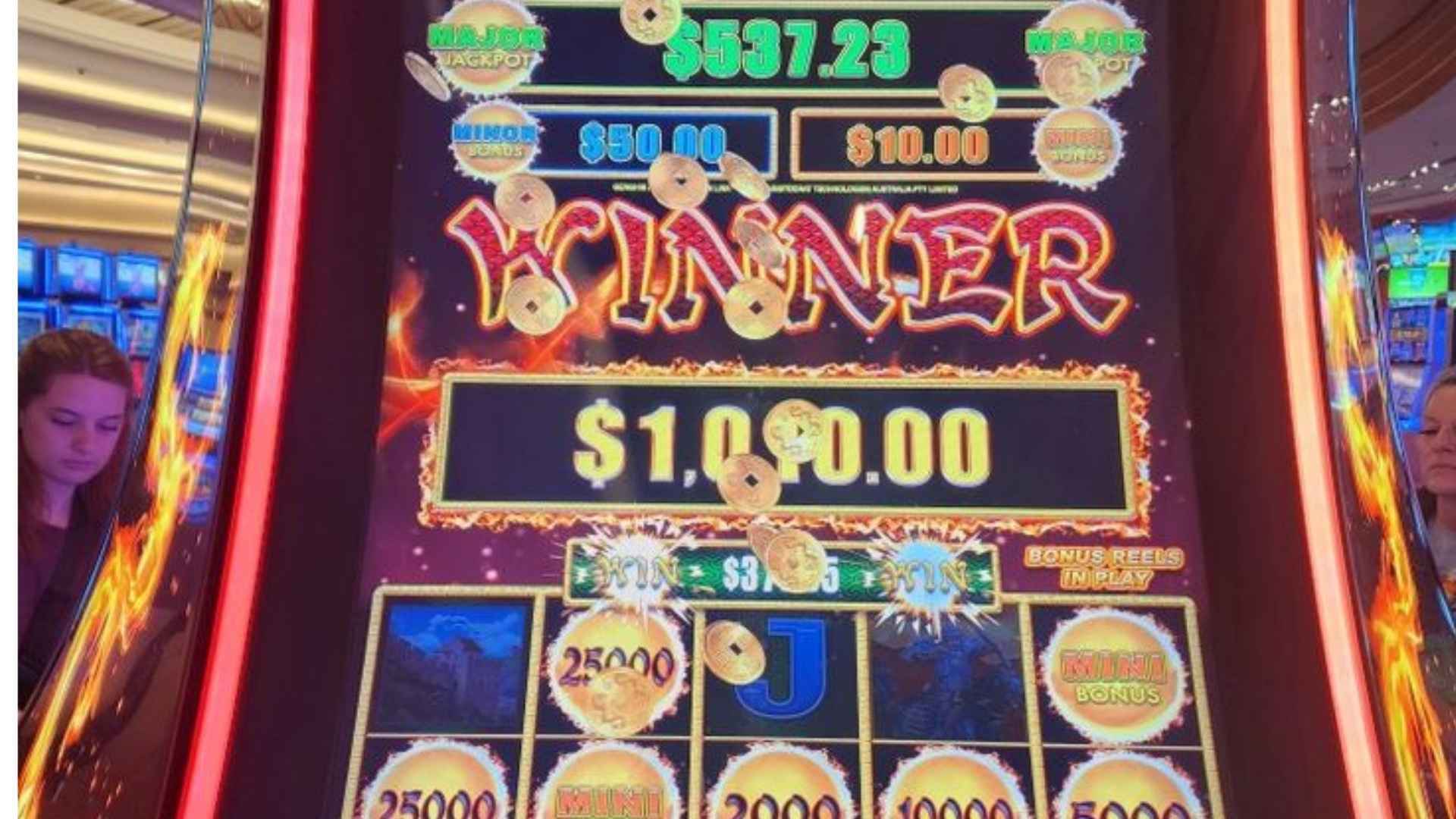
In the world of online gaming, many players look closely at mathematical indicators to determine which titles offer the best potential returns. The Return to Player percentage is often the first metric people check before starting a new digital session. However, relying solely on this single figure can lead to a misunderstanding of how a game actually behaves.
The Role of Game Volatility
While the theoretical return percentage tells you how much money is paid back over millions of rounds, it does not explain the frequency of those payouts. Volatility dictates whether a game will hand out small rewards regularly or deliver massive wins separated by long dry spells. Understanding this dynamic is crucial for aligning your sessions with your personal risk tolerance and budget.
A title with a high statistical return might still deplete a smaller bankroll quickly if it features high volatility. Conversely, options with lower metrics might provide longer entertainment value through steady, smaller payouts. Evaluating both factors together gives a much clearer picture of what to expect during your time online.
The Impact of Hit Frequency
Hit frequency measures the exact probability of landing any winning combination on a single spin or round. This metric operates independently from the total payout percentage, directly affecting the regular pace of your gameplay. Two separate games can share the exact same theoretical return while offering completely different hit frequencies.
Choosing a game based only on its return percentage might leave you unprepared for long sequences without any winning hits. Exploring well-known sports and entertainment platforms like Mansion Sports highlights how diverse mathematical models cater to different styles of engagement. Balancing hit frequency alongside theoretical returns helps ensure that your interactive sessions remain engaging and enjoyable.
The Influence of Bonus Features
Modern titles rely heavily on specialized mechanics, including interactive bonus rounds, multipliers, and free spin triggers to create excitement. A significant portion of a game's total mathematical payback is often locked behind these complex features. If a session does not last long enough to trigger these modes, the actual experienced return will feel much lower.
Evaluating the base game payout structure versus the bonus potential helps you manage your session timeline effectively. Games that pack all their value into rare features demand a patient approach and a flexible entertainment budget. Factoring in these mechanical designs prevents you from relying blindly on an abstract historical statistic.
Prioritizing Entertainment and Fun
Ultimately, digital gaming should be viewed as a form of casual entertainment rather than a reliable method for financial gain. The presence of random number generators ensures that short-term sessions remain completely unpredictable, regardless of the advertised metrics. Focusing too much on numbers can detract from the visual appeal, themes, and immersive audio elements designed for your enjoyment.
Selecting titles based on personal themes and engaging gameplay elements results in a far more satisfying experience. By treating mathematical indicators as secondary guides, you maintain a healthy perspective on digital recreation. A balanced approach ensures responsible choices while maximizing the entertainment value of your favorite interactive platforms.